2026 Top CNC Turning Machine Parts Suppliers
The global CNC industry is entering a more demanding phase. Precision is expected. Traceability is becoming essential.
Grand View Research estimates that the global CNC machine market will continue growing through 2030, supported by automotive, aerospace, medical, and electronics production. MarketsandMarkets also forecasts strong expansion in CNC machining, driven by automation, digital monitoring, and shorter production cycles. These reports describe machine demand, but they also reveal a wider requirement: reliable Cnc Turning Machine Parts must support higher speed, repeatability, and uptime.
This guide examines leading suppliers for 2026. It considers material quality, dimensional control, surface finish, delivery capability, customization, and after-sales support. Parts may include chucks, collets, turrets, holders, spindle components, guides, and replacement assemblies. Small deviations can create visible defects on a finished shaft. That detail matters.
Professor Yoram Koren, a recognized manufacturing-systems expert, wrote: “A reconfigurable manufacturing system is designed for rapid change in its structure, as well as in its hardware and software components.” His principle applies directly to modern turning operations. Suppliers must adapt when batch sizes, materials, or tolerances change.
The ranking is not based on marketing language alone. Certifications, inspection records, application experience, and customer evidence deserve greater weight. However, supplier information is not always equally transparent. Forecasts can also differ between reports. This guide therefore uses practical judgment, not perfect certainty, when comparing Cnc Turning Machine Parts suppliers.
What CNC Turning Machine Parts Suppliers Provide
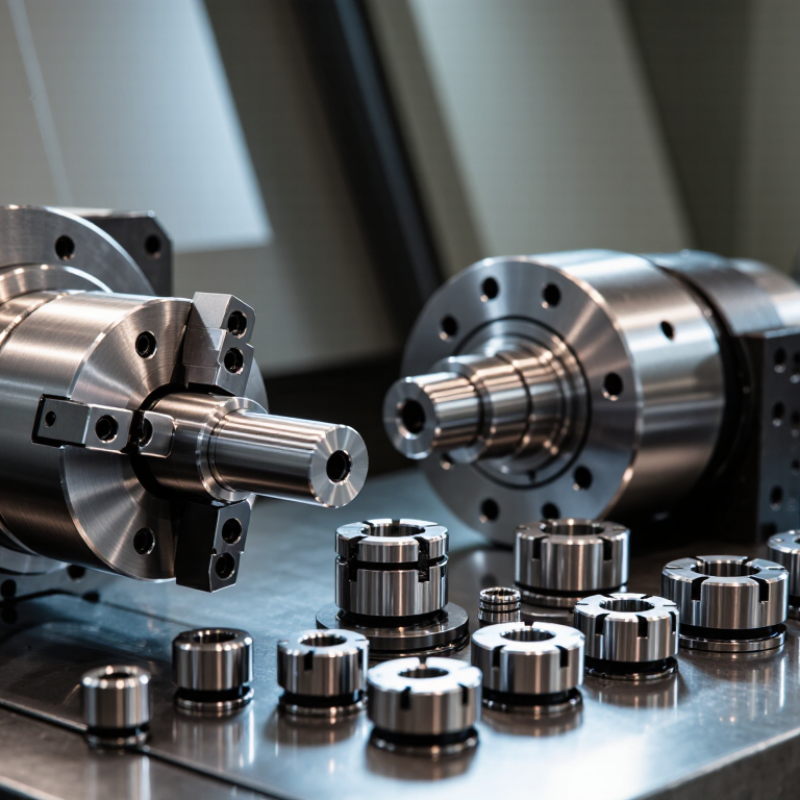
The 2026 top CNC turning machine parts suppliers provide more than standard metal components. They deliver shafts, bushings, pins, threaded fittings, and precision sleeves for demanding equipment. Many suppliers also support drawing review, material sourcing, prototype production, surface finishing, and batch manufacturing.
According to Grand View Research’s CNC machine market report, the sector is expected to expand at a double-digit compound annual growth rate through 2030. This growth increases demand for tighter tolerances and faster delivery. Suppliers now use automated inspection, digital production records, and coordinate measuring equipment. The 2024 Smart Manufacturing survey found that 86% of manufacturers expect smart production to become important for competitiveness. That finding matters. A supplier should provide measurable process control, not only attractive samples. Yet, some suppliers still rely too heavily on final inspection. That weakness deserves attention.
Tips: Ask for tolerance data, material certificates, inspection reports, and sample parts before placing a large order. Confirm whether the supplier can maintain ±0.01 mm tolerances across repeated batches. Check thread fit, edge conditions, concentricity, and surface roughness. A capable supplier should explain its cutting strategy clearly. When specifications are incomplete, request a design-for-machining review. It can prevent costly rework.
Key Criteria for Evaluating CNC Turning Machine Parts Suppliers
2026 Top CNC Turning Machine Parts Suppliers
When evaluating CNC turning machine parts suppliers, inspect evidence rather than polished claims. A dependable supplier should provide material certificates, dimensional reports, and clear revision control. Request sample inspection data for chucks, collets, guide bushings, seals, or turret components. Check critical dimensions with calibrated micrometers or coordinate measuring equipment. Surface finish matters too. A part may fit initially but wear quickly under heat and repeated cycles. Ask how the supplier controls hardness, concentricity, thread accuracy, and replacement compatibility. Photographs of protected threads and sealed packaging can reveal practical experience.
Experience appears in the questions a supplier asks before quoting. Skilled engineers should request drawings, machine model details, tolerances, operating speed, and service conditions. Their recommendations should explain trade-offs, not merely promise the lowest price. Review traceability records, corrective-action reports, and delivery history. Communication matters. A reliable supplier confirms changes in writing and flags unclear specifications before production. Authority comes from repeatable processes, trained inspectors, and documented testing, not impressive language. No supplier is perfect, and a checklist can still miss an important detail. A small trial order can expose fit, finish, packaging quality, and response time before larger commitments.
Leading CNC Turning Machine Parts Suppliers in 2026
Leading CNC Turning Machine Parts Suppliers in 2026
Leading CNC turning machine parts suppliers in 2026 are judged by more than price. Buyers need stable tolerances, verified materials, and dependable delivery. Core components include chucks, collets, tool holders, turrets, bearings, guides, and control assemblies. A supplier should provide inspection records for each production batch.
Market data supports this demand. Grand View Research identifies automation and precision manufacturing as major CNC market drivers. Mordor Intelligence estimates the global CNC machine market could grow from about USD 101 billion in 2025 to over USD 134 billion by 2030. These figures differ because report boundaries are not identical. Still, the direction is clear.
Precision matters.
Experienced suppliers use coordinate measuring machines, hardness testing, and runout checks. They should also explain heat treatment, coating thickness, and replacement compatibility in practical terms. ISO 9001-based quality systems can improve traceability, but certification alone does not guarantee useful parts. Ask for sample inspection reports and documented corrective actions.
The best supplier relationship includes technical communication. Engineers should confirm spindle speed, load conditions, coolant exposure, and required tolerance before quoting. A cheap bearing may create vibration within weeks. That lesson is expensive. Delivery performance also deserves measurement; compare promised dates with actual shipment records over several orders. No report captures every regional constraint, so buyers should reassess supply risks, test samples, and review field failures throughout 2026.
Comparing Quality, Pricing, Lead Times, and Technical Support
2026 Top CNC Turning Machine Parts Suppliers
Comparing Quality, Pricing, Lead Times, and Technical Support
Choosing a CNC turning parts supplier requires more than comparing hourly rates. Quality appears in measurable details. Check dimensional reports, material certificates, surface-finish records, and first-article inspection data. For precision shafts, ask about runout limits and thread inspection methods. A reliable supplier should explain its gauges, calibration schedule, and process controls without hesitation. Request sample parts when tolerances are tight.
Pricing needs careful interpretation. A cheaper quote may exclude tooling, secondary finishing, packaging, or inspection fees. Compare complete costs, not only the unit price. I once reviewed a low estimate that omitted setup charges. It looked excellent until production began. That mistake was avoidable. Clear drawings and realistic annual volumes usually improve quotation accuracy.
Lead time should include programming, material purchasing, machining, inspection, and delivery. Ask for milestones, not vague promises. Technical support also matters when a drawing has an unclear tolerance or difficult material. Strong engineers suggest practical adjustments while protecting function. They may recommend a larger fillet, revised datum, or better cutting sequence. Fast replies help, but useful replies matter more. Even experienced buyers should challenge assumptions. A supplier that documents changes, reports defects honestly, and provides corrective actions is easier to trust during urgent production.
2026 Top CNC Turning Machine Parts Suppliers
Benchmark comparison of typical quality, pricing, lead time, and technical support indicators
The chart uses a 0–100 benchmark index. Higher values indicate stronger performance or greater competitiveness. Quality reflects achievable precision and process consistency, pricing reflects cost competitiveness, lead time reflects delivery reliability, and technical support reflects engineering responsiveness. Typical CNC machining lead times commonly range from 5–20 business days, depending on material, tolerance, quantity, and finishing requirements.
How to Choose the Right CNC Turning Machine Parts Supplier
Choosing the right CNC turning machine parts supplier starts with evidence, not polished promises. Ask for material certificates, inspection records, and clear tolerance reports. A reliable supplier should explain how it controls dimensions, surface finish, and thread accuracy. Request a sample part made from your drawing. Measure it independently before approving larger quantities.
Experience becomes visible during difficult conversations. In supplier audits, I look at machine condition, tool calibration, and operator training. I also ask how rejected parts are recorded and corrected. Good suppliers welcome these questions. They should provide realistic lead times, not impressive guesses. Confirm their production capacity during busy periods, especially for tight-tolerance components.
Communication matters more than many buyers expect. Can the engineering team identify an unclear radius or missing datum? Do they respond with marked drawings and practical alternatives? Test this before placing a major order. I once trusted a fast quotation and overlooked packaging details. Several finished parts arrived with minor surface damage. The machining was acceptable, but the delivery process was not. That mistake changed my supplier checklist. Compare inspection methods, traceability, packaging, and after-sales support together. Price still matters, but the cheapest offer may create costly rework. Ask for a written quality plan and agree on measurable acceptance criteria before production begins.