2026 Top Small CNC Plasma Machines What Buyers Should Know?
As the demand for precision metalworking increases, small CNC plasma machines have gained popularity among manufacturers. The global CNC plasma cutting market is projected to grow by over 6% annually, reaching a value of $4.6 billion by 2026. This growth indicates the rising importance of small CNC plasma technology in various industries, including automotive, aerospace, and metal fabrication.
Investing in a small CNC plasma machine requires careful consideration. Buyers must evaluate their specific production needs, available space, and budget. Many users report that these machines deliver exceptional cutting quality and efficiency. However, potential shortcomings exist, such as limited cutting thickness and the need for regular maintenance. Understanding these factors is critical for making an informed decision.
Choosing the right small CNC plasma machine can significantly impact productivity and profitability. Users must weigh features like power, size, and software compatibility. Though challenging, making the right choice can lead to successful outcomes. The insights shared in this article will guide prospective buyers, helping them navigate the options and choose wisely in a competitive market.
Key Features to Look for in Small CNC Plasma Machines
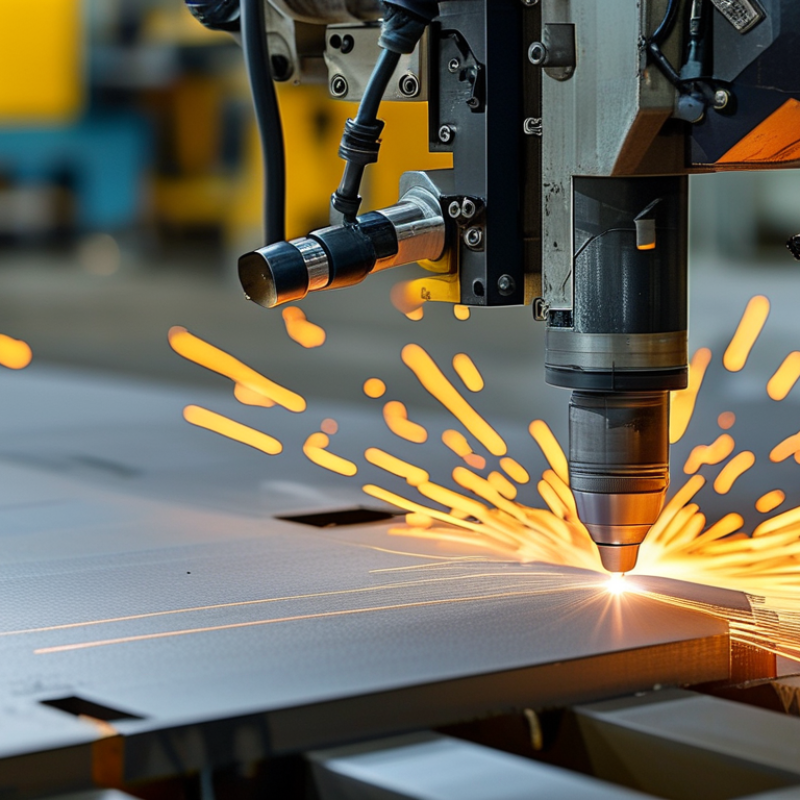
When selecting a small CNC plasma machine, several key features deserve careful consideration. First, look for the cutting capacity. Machines vary widely in their ability to handle materials of differing thicknesses. Knowing your typical material thickness will help you choose a model that meets your needs. If you often work with thicker materials, ensure the machine can handle them effectively.
Another critical aspect lies in the software compatibility. The best CNC plasma machines come with user-friendly software. This software should support various file formats and allow for easy design manipulation. A steep learning curve can hinder your productivity and creativity. Advanced features like automatic height control can enhance precision and improve the cutting quality significantly.
Additionally, consider the overall build quality of the machine. A sturdy frame often translates to better stability during operation. Look for machines with reliable warranty options. This not only builds trust but also shows the manufacturer’s confidence in their product. Keep in mind that while higher quality machines may come at a premium, investing in durable equipment often saves costs in the long run. Each feature plays a vital role in determining which CNC plasma machine is ideal for your projects.
2026 Top Small CNC Plasma Machines - Key Features Comparison
Understanding Different Types of Plasma Cutters Available
When exploring the types of plasma cutters available, it’s crucial to understand their functionalities. There are two main categories: manual and automated. Manual plasma cutters often cater to small workshops and DIY enthusiasts. They offer flexibility and control but require skilled operation. Automated plasma machines are favored in industrial settings. They promise precision and consistency, significantly reducing labor costs.
Recent industry reports indicate that the demand for CNC plasma cutting systems has surged by 12% over the past year. This growth is driven by advancements in technology and the rising need for efficiency in manufacturing. Automated systems can cut materials with thicknesses of up to 1 inch at high speeds, making them ideal for large-scale production. However, it’s essential to factor in initial costs and maintenance when investing in these systems.
Nonetheless, buyers often overlook the importance of choosing the right type of plasma cutter for their specific needs. A mismatch can lead to operational inefficiencies and increased costs. Evaluating factors such as power supply compatibility and material types is vital for optimal performance. Make informed decisions based on your application requirements to avoid future complications.
Essential Accessories and Tools for Small CNC Plasma Machines
When considering small CNC plasma machines, understanding essential accessories is crucial. These tools significantly enhance the machine's performance and expand its capabilities. For example, a high-quality plasma torch is vital. This component determines the precision and quality of cuts. A versatile torch can handle various materials, making it a valuable investment.
In addition to the torch, a reliable air compressor is essential. It provides the necessary pressure for the plasma system to function efficiently. When selecting an air compressor, consider its size and output. The right compressor can enhance overall cutting speed and efficiency. Don't overlook table surfaces; a durable work table with proper clamping is necessary to secure materials firmly during cuts.
Optional accessories, like CNC software, improve operational efficiency. Choosing software that integrates seamlessly with your machine saves time and reduces errors. Yet, mastering the software can be challenging. Continuous learning and practice are needed. Evaluating equipment requirements and workflow could also reveal unmet needs. Small adjustments can lead to significant improvements in productivity. Strive for balance in your toolkit, ensuring each accessory serves a clear purpose.
Comparative Analysis of Top Brands in the Market
In the competitive landscape of small CNC plasma machines, buyers face a myriad of choices. A comparative analysis reveals some notable trends across leading brands. According to industry reports, the global CNC plasma cutting machine market was valued at over $1 billion in 2022 and is projected to grow at a CAGR of 4.5% through 2026. This growth highlights the increasing demand for precision and efficiency in metal fabrication.
When evaluating different machines, consider key factors such as cutting speed, material compatibility, and ease of use. Some models excel in portability, while others boast advanced software integrations. It’s crucial to check user reviews and expert evaluations, as these will provide insights into reliability and performance. Not all machines live up to their specifications, leading to potential buyer's remorse.
Consider maintenance as well. Regular upkeep can extend the lifespan of a CNC plasma machine, but it requires time and diligence. Potential buyers often underestimate the importance of service agreements and warranty terms. Furthermore, think about after-sales support, which varies significantly by manufacturer.
Choosing the right small CNC plasma machine involves careful consideration of various features and potential drawbacks. Prioritize your specific needs and perform thorough research before making a decision.
2026 Top Small CNC Plasma Machines - Comparative Analysis of Top Brands in the Market
| Model |
Cutting Area (inches) |
Max Material Thickness (inches) |
Power Source (Amps) |
Weight (lbs) |
Price ($) |
| Model A |
24 x 24 |
1 |
30 |
150 |
2,500 |
| Model B |
30 x 30 |
1.5 |
40 |
200 |
3,200 |
| Model C |
36 x 24 |
1 |
25 |
180 |
2,800 |
| Model D |
24 x 36 |
1.25 |
35 |
220 |
3,000 |
| Model E |
48 x 48 |
2 |
50 |
250 |
4,500 |
Maintenance Tips to Ensure Longevity of CNC Plasma Machines
Maintaining a CNC plasma machine is crucial for its longevity and performance. Regular maintenance can significantly reduce downtime and repair costs. Studies show that machines regularly serviced can last up to 30% longer than those that aren't. This highlights the importance of a structured maintenance schedule.
Daily checks are essential. Inspect your plasma torch for wear. Replace any worn consumables promptly to maintain cutting quality. Cooling systems should also be monitored. Overheating can lead to severe damage, affecting efficiency. According to industry reports, over 40% of CNC failures are linked to poor cooling management.
Cleaning your equipment is another important aspect. Dust and metal shavings can accumulate quickly. This debris can cause poor performance and even malfunction. Regular cleaning can mitigate these risks. Additionally, keep software updated. New software can introduce performance improvements and bug fixes that enhance overall functionality. Emphasizing these practices can lead to more reliable operation and increased productivity in your workshop.