What Is the Best Small CNC Plasma Cutting Machine in 2026?
A small CNC plasma cutting machine can turn a crowded garage corner into a practical fabrication station. But a compact footprint does not guarantee clean cuts, reliable motion, or easy setup. In 2026, buyers need to compare more than advertised cutting speed. Torch height control, usable table area, software, electrical needs, and fume management all shape the daily experience.
Plasma-cutting specialist Jim Colt is known for emphasizing that equipment should match the job. A concise paraphrase of that advice is: choose for the material and workload you actually handle, not a wish list. That distinction matters. A machine may cut thin sheet beautifully yet struggle with thicker plate or long production runs. Real cuts count. This guide examines what “best” means for different workshops, from hobby projects to light fabrication. It weighs cut quality, setup effort, support, and total ownership costs, while noting where published specifications can hide practical limits. Not just hype. You will find comparisons, key buying criteria, and questions to ask before ordering. A slightly uncomfortable truth belongs here: the cheapest machine may cost more in wasted stock, troubleshooting, and upgrades. The reverse can also happen; premium features may sit unused. Use this guide to identify a small cnc plasma cutting machine that fits your space, materials, budget, and honest workload—not somebody else’s shop.
How CNC Plasma Works: Plasma-Arc Temperatures Can Exceed 20,000°C
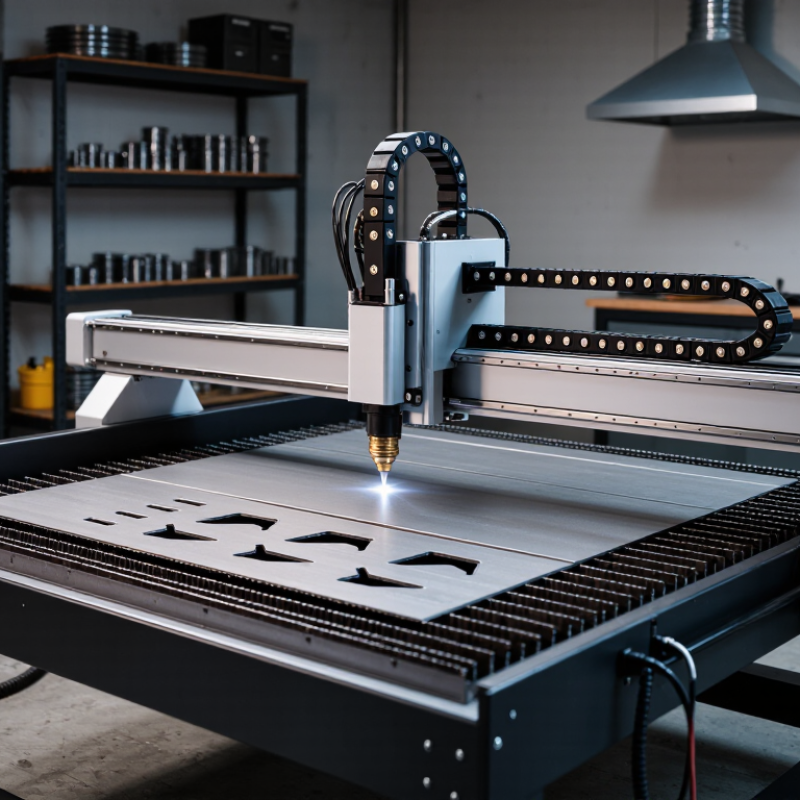
Inside a small CNC plasma cutter, an electrical arc turns flowing gas into plasma, an ionized, electrically conductive state. The arc’s core can exceed 20,000°C, though the precise temperature varies with the process and measurement method. That figure describes the plasma, not the entire metal plate. An ordinary steel sheet does not become uniformly that hot.
The concentrated arc rapidly melts a narrow path, while a fast gas stream pushes molten metal through the cut. CNC motion follows programmed coordinates, helping reproduce shapes without guiding the torch by hand. On a small machine, clean cuts still depend on suitable amperage, stable air pressure, correct torch height, and material thickness. Small errors matter. A detail worth remembering: the hottest arc does not automatically produce the best edge.
When comparing machines in 2026, check rated cut thickness rather than relying only on maximum severance claims. Consider table size, fume extraction, electrical supply, consumables, and control-system compatibility. Plasma produces intense light, heat, noise, and airborne particles, so use appropriate guarding, ventilation, and protective equipment. A setup may look capable on paper, yet poor grounding or a warped work surface can still affect results.
Compare Small CNC Machines by Amperage, Rated Cut, and Duty Cycle
What Is the Best Small CNC Plasma Cutting Machine in 2026?
Compare Small CNC Machines by Amperage, Rated Cut, and Duty Cycle
A small CNC plasma cutter should be judged by how it cuts your actual stock, not by amperage alone. More current can support faster or thicker cutting, but torch height, travel speed, air quality, and metal type also matter. Compare rated cuts on the same material and at similar speeds. That number can mislead.
Check the duty-cycle rating before planning repeated cuts. IEC 60974-1:2017 uses a ten-minute rating period; a 40% duty cycle means four minutes of rated operation within that period. For a busy job, a higher rating can reduce cooling pauses. In practice, small parts may still heat up, so leave room for interruptions.
Rated thickness is only part of the story. Look for clean-cut capacity, pierce capacity, and the stated edge quality. ISO 9013:2017 classifies thermal-cut quality, including characteristics such as surface roughness and angularity. A crisp edge on a test coupon matters more than a dramatic maximum-thickness claim. I would test a real offcut first. It takes time, but it can expose limits that a specification sheet misses.
Read IEC 60974-1 Duty-Cycle Ratings on a 10-Minute Basis
When comparing a small CNC plasma cutter in 2026, read its duty-cycle rating as carefully as its maximum output. IEC 60974-1 ratings use a ten-minute basis, but the stated current matters too. For example, a 40% rating at 40 A means four minutes of cutting within ten minutes, under the conditions specified by the manufacturer. The remaining time allows the power source to cool. A higher current setting may bring a lower duty cycle, so check the manual rather than assuming one figure applies everywhere.
Think about the actual job: repeated pierces, short cuts, and pauses to reposition sheet metal. A machine may handle occasional brackets well but struggle during a long nest of parts. Compare duty-cycle figures at the amperage you expect to use, and confirm the rating follows IEC 60974-1. Keep the torch leads clear and the cooling vents unobstructed; restricted airflow can trigger thermal protection sooner. That sounds fussy. It is. I would also leave room for imperfect planning: my first estimate of cutting time is often too optimistic. A realistic duty-cycle comparison can reveal whether a compact unit suits the workload, not just the workshop footprint.
Assess Table Travel, Torch-Height Control, and Positioning Accuracy
What Is the Best Small CNC Plasma Cutting Machine in 2026?
For a compact machine, table travel should match the largest sheet parts you actually cut, with room for clamps and torch overrun. Measure the usable cutting area, not just the table’s outside dimensions. A narrow frame can force awkward repositioning. Small is not simple. Check whether the gantry can reach all corners without striking a fixture, and whether the Z-axis clears warped sheet safely. Automatic torch-height control matters because sheet can lift during cutting. Look for initial height sensing and stable arc-voltage control; test both on thin sheet and thicker plate. A torch that follows ripples poorly may bevel edges or lose cut quality.
Positioning accuracy deserves a measured test, not a catalog promise. ISO 230-2:2014 describes methods for testing positioning accuracy and repeatability on numerically controlled machine axes. Ask for results across the full travel, in both directions, and check them with a dial indicator or test cut. ISO 9013:2017 classifies thermal-cut quality using five ranges for perpendicularity or angularity and surface profile. That gives buyers a useful quality framework, but it does not guarantee a machine’s performance. Cut a small square, measure its diagonals, then inspect the edge for taper and dross. Check it twice. Real shop results may still vary with consumables, grounding, and material condition.
What Is the Best Small CNC Plasma Cutting Machine in 2026?
Compare three compact table-travel layouts. Dimensions are illustrative format examples, not a market survey or specifications for particular machines.
How to use this chart: Choose travel based on the largest parts you expect to cut, allowing room for workholding and material overhang. Table travel alone does not determine machine quality: check that torch-height control maintains the correct torch-to-plate distance, and compare published positioning accuracy and repeatability separately.
Choose a 2026 Machine by Material, Cut Quality, Safety, and Operating Cost
Choosing a small CNC plasma cutter starts with the material you actually use. Mild steel, stainless steel, and aluminum place different demands on torch settings and air quality. Match the machine’s rated capacity to your usual sheet thickness, not its maximum advertised cut. A 6 mm plate may cut differently from thin sheet, even on the same machine. Test samples when possible.
Cut quality depends on more than torch power. Look for stable motion, accurate height control, and a table that supports the work without blocking airflow. Inspect cut edges for taper, dross, and heat distortion. A fast cut is not always a clean cut. If your parts need little grinding, consistent motion can save time every week. Still, a tidy specification sheet can be misleading.
Safety and operating cost belong in the same decision. Plan for effective fume extraction, secure workholding, suitable protective equipment, and clear access around the table. Check the cutter’s electrical needs and compressed-air requirements before buying. Consumables, filters, electricity, and replacement parts all affect the real cost. Track their use over a few jobs; estimates can be wrong. A compact machine may fit a garage, but noise, dust, and maintenance still need room in the plan.
| Machine Configuration | Typical Cutting Area | Plasma Power | Practical Material Range | Cut Quality and Best Use | Safety and Installation | Estimated Running Cost | Best Fit |
|---|---|---|---|---|---|---|---|
| Entry-level compact table | Approximately 2 × 2 ft (600 × 600 mm) | 30–45 A air plasma | Mild steel: about 1–6 mm for regular work; thicker plate may be possible at reduced speed. Stainless steel and aluminum can also be cut, subject to the power source’s rated capacity and suitable settings. | Suitable for signs, brackets, light sheet, and occasional fabrication. Edge quality depends on torch condition, correct cut speed, material flatness, and accurate torch height. | Requires a stable, fire-resistant work area, protective eyewear, suitable clothing, and effective fume control. Check electrical supply and compressed-air requirements before installation. | About US$2–8 per arc-on hour for electricity and consumables; compressed-air system, labor, and material are excluded. | Hobbyists and small workshops cutting mostly thin sheet and small parts. |
| Balanced small-shop table | Approximately 2 × 4 ft (600 × 1,200 mm) | 45–65 A air plasma | Mild steel: about 3–12 mm for regular work, with thicker cuts possible at slower speeds depending on the power source. Stainless steel and aluminum are also possible within the system’s rated cut capacity. | A versatile choice for mixed fabrication. With a suitable torch, stable motion, and correctly set cut height, it can produce cleaner, more repeatable parts than a manually guided setup. | Plan for an appropriate electrical circuit, dry compressed air, and either a water table or properly designed local exhaust ventilation. A water table does not eliminate every fume or fire risk. | About US$2–8 per arc-on hour for electricity and consumables; actual cost varies with amperage, cut time, consumable life, and local electricity rates. | Most small fabrication shops needing a practical balance of footprint and capability. |
| Higher-capacity compact table | Approximately 4 × 4 ft (1,200 × 1,200 mm) | 65–85 A air plasma | Mild steel: about 6–20 mm for regular work, depending on the power source and required edge quality. Stainless steel and aluminum capacity varies with material thickness, alloy, and machine settings. | Better suited to thicker plate and longer production runs than lower-current systems. Maximum severance thickness is not the same as a thickness that can be cut repeatedly with a clean, square edge. | May require a higher-capacity electrical circuit. Use effective fume extraction or a correctly managed water table, maintain a clear fire-safe area, and follow the plasma source and torch safety instructions. | About US$3–10 per arc-on hour for electricity and consumables; higher current and demanding cuts can increase power use and consumable wear. | Shops that regularly cut thicker plate and have the power and ventilation to support it. |
| Enclosed compact table | Commonly about 2 × 2 to 2 × 4 ft (600 × 600 to 600 × 1,200 mm) | Typically 30–65 A air plasma | Generally similar to an open table using the same plasma power source: often thin to medium-gauge steel for routine work. The enclosure itself does not increase cutting capacity. | An enclosure can help contain sparks and limit access to moving parts. Cut quality still depends primarily on the plasma source, torch, motion system, setup, and material. | Ensure that the enclosure has suitable fume extraction and that doors, interlocks, and emergency stops are used as designed. Enclosure alone is not a substitute for ventilation or fire precautions. | About US$2–8 per arc-on hour for electricity and consumables, excluding extraction-system energy, compressed air, labor, and material. | Shared or space-constrained workshops that value added guarding and spark containment. |
| How to choose: For many small shops, a 2 × 4 ft table with a 45–65 A air-plasma source is a useful starting point for mixed thin- and medium-sheet work. Choose based on the thickness you cut regularly, not the advertised maximum severance thickness. The thickness ranges and operating costs above are representative planning estimates, not guaranteed specifications. Confirm the manufacturer’s cut chart, electrical requirements, air quality and flow requirements, consumable pricing, and local ventilation rules before purchase. Running-cost estimates assume electricity and plasma consumables only; they exclude labor, material, compressed-air equipment, extraction, and maintenance. | |||||||
Related Posts
-
Best CNC Plasma Machine for Global Buyers 2026?
-
Why Choose a Small CNC Plasma Table for Your Business?
-
How to Choose the Best CNC Plasma Cutting Machine for Your Business?
-
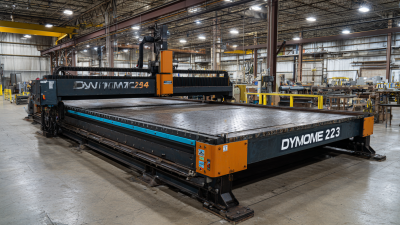
Maximizing ROI on Best Industrial CNC Plasma Tables: How Superior After-Sales Service and Low Maintenance Costs Drive Success
-
Ultimate Guide to Selecting the Best Industrial CNC Plasma Table for Your Business
-
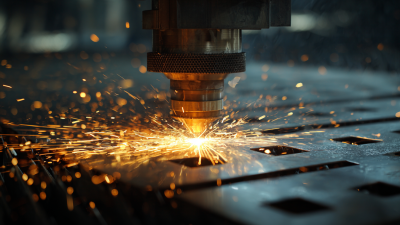
Discover Premier CNC Plasma Cutting Solutions from Leading Chinese Manufacturers for Global Markets