
How to Choose the Best Ceramic Mixer Machine for Your Needs?
In the world of ceramics, selecting the right equipment is crucial. A ceramic mixer machine is essential for achieving consistency in your mixtures. According to Dr. Emily Carter, a leading ceramics expert, "Choosing the right mixer can make or break your project." This highlights the importance of making an informed decision.
When considering a Ceramic Mixer Machine, think about your specific needs. Are you working on small-scale projects or large productions? Your choice should reflect your production capacity. Many overlook this aspect, leading to inefficient operations.
Additionally, not all machines are created equal. Features vary widely, and it can be daunting to navigate through options. Pay attention to the materials used in construction. This can greatly impact durability and performance. A careful assessment can prevent future regrets, ensuring you invest wisely in the right machine.
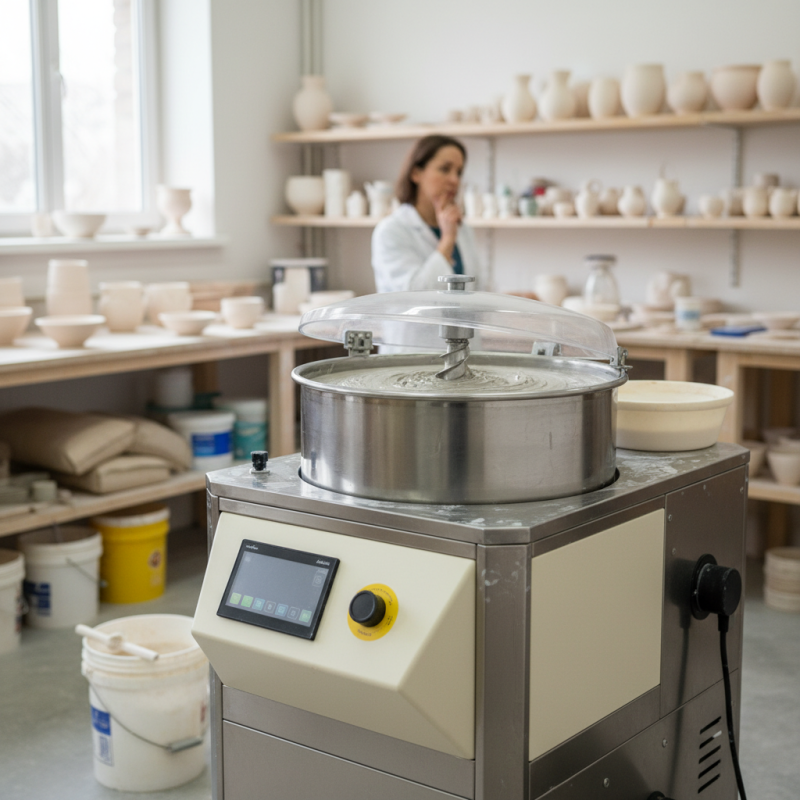
Understanding the Requirements for a Ceramic Mixer Machine
Choosing a ceramic mixer machine begins with understanding your specific requirements. The size of your operation is a major factor. Small studios may only need compact models. Larger facilities, however, often require heavy-duty machines. These can mix larger batches efficiently. The capacity directly affects the mixing time and energy consumption.
Material compatibility is also essential. Different ceramics may require distinct mixing techniques. Ensure the machine can handle various materials, such as clay types or glazes. A versatile mixer extends its usability. Also, think about the mixing methods. Some machines offer continuous mixing, while others use batch processing. Each has its benefits and downsides, especially in terms of speed and consistency.
Don’t overlook maintenance needs. Some models can be complex and difficult to clean. A machine that is hard to maintain may lead to frustrations and inefficiencies. Consider the long-term costs involved. Investing wisely today can save you problems in the future. Reflecting on these aspects can lead to a better choice, aligned with your creative goals.

Comparison of Ceramic Mixer Machines by Capacity and Power
Types of Ceramic Mixer Machines and Their Features
When selecting a ceramic mixer machine, it’s essential to understand the types available. Commonly, there are paddle mixers, which use flexible blades. They work well for wet mixtures. Then there are planetary mixers, offering more versatility. They are suitable for various ceramic materials.
Paddle mixers are ideal for consistency. They mix evenly and reduce air pockets. However, they may struggle with thicker pastes. On the other hand, planetary mixers handle thicker mixtures better. They combine the material more effectively, but they can be more complex to clean.
**Tip:** Always consider the volume you'll be mixing. A machine too small will lead to overflow.
Take note of the power ratings, as well. More powerful machines can mix larger batches faster. However, they can also consume more energy. Balance efficiency with your specific needs.
**Tip:** Test smaller batches first. This helps prevent waste and allows fine-tuning of settings.
In the end, pick a machine that suits your work style. It’s okay to feel uncertain. Each type has strengths and weaknesses. Consider your unique requirements carefully.
Key Factors to Consider When Choosing a Mixer
When choosing a ceramic mixer machine, several key factors should guide your decision. First is the mixer’s capacity. Depending on the production volume, you may need a machine that can handle larger batches. Industry reports suggest that optimal capacity can significantly enhance efficiency, pushing production rates up by 20-30%. Yet, many manufacturers overlook this aspect, leading to underutilization.
Next, consider the mixing speed. The right speed ensures even distribution of materials, essential for high-quality ceramics. Data indicates that mixers operating at a controlled speed can reduce air bubbles, resulting in sturdier final products. Yet, choosing the wrong speed can compromise the mixture's integrity, which can lead to defects.
Additionally, pay attention to the machine's durability and maintenance requirements. A mixer made from quality materials can minimize downtime. However, an initial investment in a robust machine may seem daunting. Some users report that cheaper options often lead to more frequent repairs, inadvertently increasing long-term costs. Balancing initial costs and long-term benefits is crucial.
Evaluating Brand Reputation and Customer Reviews
When choosing a ceramic mixer machine, brand reputation plays a vital role. Research can help you uncover how a company is perceived in the market. Look for reviews on multiple platforms to see customer feedback. A well-regarded brand often produces reliable machines that meet expectations. Check if users report consistent performance and durability. Brand history can indicate whether they consistently provide quality.
Customer reviews are invaluable. They offer real insights into user experiences. Comments about ease of use, efficiency, and support services can guide your decision. Pay attention to common praises or complaints. A frequent issue mentioned might be a red flag. But remember, some negativity may arise from unrealistic expectations. Balancing both positive and negative feedback helps paint a complete picture. The diversity of opinions often sheds light on the machine’s strengths and weaknesses.
Ultimately, taking time to evaluate this information is key. It can feel overwhelming at times. Vague or overly positive reviews may raise concerns. Aim to seek out detailed accounts that give context. Interviews or discussions with current users may also offer fresh perspectives. Reflecting on these insights will empower you to choose wisely.
Maintenance and Support for Your Ceramic Mixer Machine
Maintenance is crucial for the longevity of your ceramic mixer machine. Regular cleaning is essential to prevent residue buildup. It's easy to overlook small details during busy production times. Make a habit of cleaning every part, including blades and bowls, after each use. Using mild detergent and warm water can help remove stubborn materials.
In addition to cleaning, periodic inspections are necessary. Check for wear and tear on components. Listen for unusual sounds while the machine operates. This could indicate a problem needing immediate attention. Some users may neglect these signs, leading to costly repairs. Document any issues to help track performance over time.
Support services are also key. Quality support can save time and stress. Familiarize yourself with the contact details for assistance. Many users underestimate the impact of having access to expert help. Knowing where to turn when issues arise can be a game changer in maintaining optimal performance. Regular training for staff on best practices can also enhance the machine's efficiency.
How to Choose the Best Ceramic Mixer Machine for Your Needs? - Maintenance and Support for Your Ceramic Mixer Machine
| Feature | Importance | Recommended Action |
|---|---|---|
| Motor Power | High power for efficient mixing | Choose a machine with at least 1 HP |
| Mixing Capacity | Sufficient capacity for your projects | Select based on daily production needs |
| Speed Settings | Versatile mixing for different materials | Opt for multiple speed options |
| Build Quality | Durability for long-term use | Look for robust materials like stainless steel |
| Ease of Cleaning | Maintaining hygiene and quality | Choose models with removable parts |
| Warranty and Support | Reliability and service assurance | Select brands with good warranty terms |

