How to Choose the Best Plasma Cutting Machine?
Choosing the right plasma cutting machine is less about buying the highest amperage model. It is about matching the machine to your actual work. A small workshop cutting 6 mm steel needs different performance from a fabrication shop processing 25 mm plate. Material type, thickness, cutting speed, duty cycle, and power supply all matter. So does the quality of your compressed air. Moisture can damage consumables and create rough, uneven cuts.
Jim Colt, a respected plasma technology educator, often emphasizes this practical principle: “Choose the machine for the work, not the marketing label.” That advice remains useful when comparing cutting capacity, pilot-arc systems, torch design, and replacement parts. Check the rated cut, not only the advertised maximum severance thickness. Examine the kerf on a sample edge. Feel the difference between a clean cut and a heavily dross-covered one.
There is no perfect machine for every user. A portable unit may be convenient, yet its duty cycle could disappoint during continuous production. A powerful industrial model may perform brilliantly, but waste money in occasional repair work. I have seen buyers overlook air filtration, cable length, and local service support. That is an expensive mistake.
This guide explains how to evaluate a plasma cutting machine with clearer expectations. It considers real workshop conditions, operating costs, maintenance, and safety practices. Some recommendations may still require judgment. Your material, budget, and experience should decide the final choice.
Understanding Plasma Cutting Technology and Its Core Components
How to Choose the Best Plasma Cutting Machine?
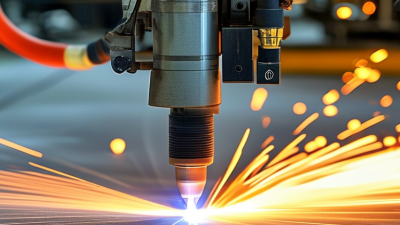
Understanding plasma cutting technology starts with the arc. Compressed air or another approved gas passes through the torch. An electrical arc then turns the gas into a hot plasma jet. This jet melts metal and pushes the molten material away. Cutting quality depends on more than power alone.
The power supply controls amperage, arc stability, and duty cycle. A higher amperage rating can cut thicker steel, but it may reduce precision on thin sheets. The torch needs durable consumables, including electrodes, nozzles, and shields. These parts gradually wear during real production.
Clean air is equally important. Moisture and oil can damage the torch and create rough edges. I have found that a simple air filter often prevents expensive interruptions. Still, filters are not maintenance-free. That detail is easy to overlook.
Tips:
Match the machine to your usual material thickness, not your occasional maximum. Check the recommended duty cycle for long cutting sessions. Inspect the work clamp before blaming the machine. A loose ground connection can cause unstable arcs. Leave room for operator skill, too. Automation helps, but it cannot correct poor material placement or incorrect settings.
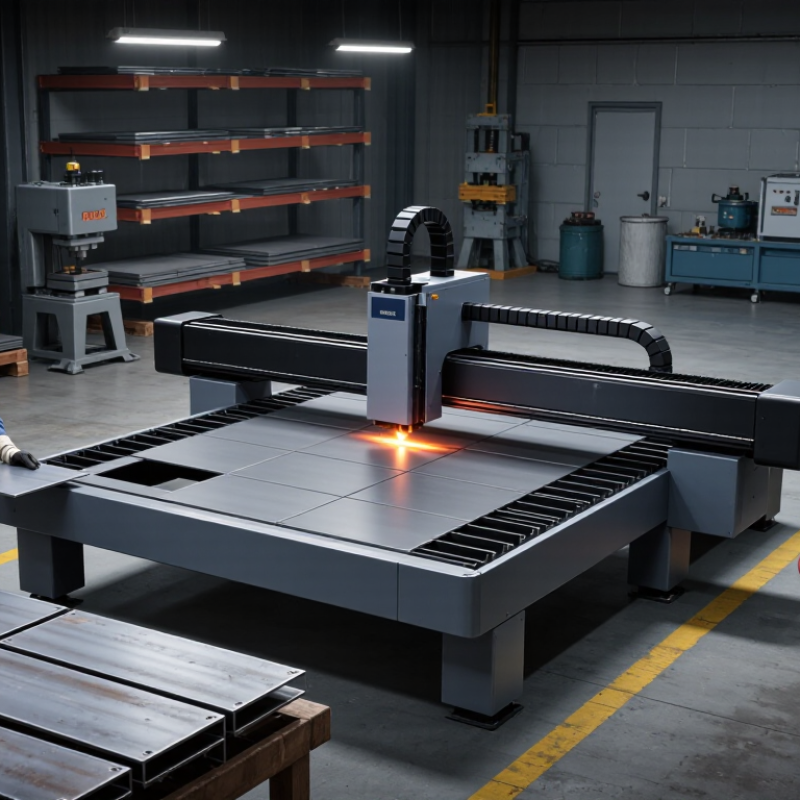
For CNC work, examine the controller, cutting software, table rigidity, and height control.
A machine may look powerful on paper, yet perform poorly when vibration affects the torch path. Test sample cuts before purchasing whenever possible. Record the results, including edge angle, dross, noise, and consumable wear.
Defining Your Cutting Requirements and Material Specifications
How to Choose the Best Plasma Cutting Machine?
Defining Your Cutting Requirements and Material Specifications
Choosing a plasma cutting machine starts with the job, not the advertised power. Measure the materials you actually cut. Record their type, thickness, sheet size, and weekly volume. Mild steel, stainless steel, and aluminum react differently to heat. A machine that cuts thin steel cleanly may struggle with reflective aluminum. Write it down. This simple record prevents expensive assumptions and connects the purchase to real production needs.
Separate recommended cutting capacity from maximum severance capacity. Recommended capacity supports cleaner edges and steadier speed. Maximum severance may leave a rough, tapered edge. Decide your required tolerance before comparing amperage. A 45-amp unit may suit detailed work on 6-millimeter steel, while heavier plate needs more reserve. Check the kerf width, piercing limit, and cutting speed at your target thickness. Numbers without test conditions can mislead.
Your workspace also defines the machine. Confirm table dimensions, torch reach, ventilation, and electrical supply. Clean, dry compressed air matters; moisture can damage consumables and distort the arc. Ask for duty-cycle data at your intended current, not a convenient lower setting. I have seen operators choose more power, then lose accuracy on small brackets. More power is not always better. Before purchase, cut a sample from your actual material and inspect the edge, holes, dross, and heat distortion. Leave room for imperfect results. Real testing often changes the specification.
Comparing Machine Power, Precision, Speed, and Duty Cycle
Choose power for your usual material, not the thickest plate you may cut once. A 40-amp machine suits light steel, repairs, and occasional fabrication. An 80-amp model provides more headroom for thicker sections. Check rated cut thickness and recommended production thickness separately. The difference is important. Field experience shows that constant operation at maximum output can create wider kerfs, more dross, and slower cleanup. Is that extra power really saving time?
Precision depends on arc stability, torch height control, table rigidity, and clean compressed air. A narrow kerf helps detailed brackets, but poor grounding can quickly reduce accuracy. For intricate shapes, choose stable low-amperage control and suitable fine consumables. Speed matters more for long, straight cuts. Cutting too quickly leaves an angled edge; cutting too slowly produces heavy dross. Watch the sparks. They should exit beneath the plate in a steady stream. Manual cutting still requires practice, even with capable equipment.
Duty cycle shows how long a machine can cut during a ten-minute period at a stated amperage. A 60% duty cycle at 60 amps allows six minutes of cutting, followed by four minutes of cooling. Compare figures under similar voltage, temperature, and workload conditions. For regular production, reserve capacity is safer than continuous maximum output. For occasional repairs, a lighter machine may be more practical. I would also examine consumable costs, service access, and warranty terms. One overlooked weakness can outweigh impressive specifications.
How to Choose the Best Plasma Cutting Machine?
This comparison uses representative air-plasma machine classes rather than brand-specific products. Higher power generally supports thicker material and faster cutting, while precision is influenced by torch quality, motion control, consumables, and material condition. Duty cycle indicates how long the machine can operate within a ten-minute period at its rated output.
The figures are typical reference values for mild-steel cutting and should be checked against the manufacturer’s technical specification before purchasing.
Evaluating Consumables, Safety Features, and Operating Costs
Choosing a plasma cutting machine requires more than comparing amperage. Consumables often shape real operating costs. A worn electrode can widen the cut, increase dross, and demand slower travel. Track nozzle, electrode, and shield-cap usage by material thickness. ISO 9013:2017 provides thermal-cutting quality classes, but shop results can still vary with air moisture and operator technique.
Safety features deserve equal attention. Look for torch collision detection, thermal overload protection, clear controls, and reliable grounding guidance. OSHA’s 2023 workplace injury data recorded 2.6 million nonfatal injuries and illnesses in private industry. Plasma cutting is only one activity, yet this figure shows why routine controls matter. Use local exhaust ventilation, suitable eye protection, gloves, and fire-resistant clothing. A visible spark can travel farther than expected.
Tips: Calculate cost per finished meter, not cost per machine. Include electricity, compressed air, filters, consumables, maintenance, and downtime. The U.S. Department of Energy’s compressed-air sourcebook reports that leaks can waste 20–30% of compressor output. That loss quietly raises cutting costs. Check air pressure at the torch, not only at the compressor. Keep a simple log. It may reveal that cheap consumables are not cheap. I would also test a machine on your actual steel before purchase; catalog figures rarely reflect rusty plate, long cables, or rushed operators.
Selecting the Right Plasma Cutter for Your Workshop or Industry
Choosing the best plasma cutting machine starts with your workshop’s real workload. A hobbyist may need a compact cutter for thin steel, while an industrial team needs stable output for long production runs. Measure your usual material thickness, cutting length, and available power before comparing features. A small machine can be practical. It can also become frustrating when pushed beyond its rated capacity. Review manufacturer specifications and verify them against your working conditions.
Cutting thickness is only one part of the decision. Select a machine with enough rated capacity for your regular work, not just occasional maximum thickness. Duty cycle matters during repeated cuts because overheating can interrupt production. Air quality matters too. Moisture and oil can damage internal components and reduce cut quality. Use a suitable filter, inspect consumables, and keep the torch clean. I once chose a lower-cost unit for occasional repairs. That decision looked efficient, but replacement parts and slower cutting changed the calculation.
Your environment should guide the final choice. A workshop may value portability, simple controls, and low maintenance. An industrial setting may require a rigid design, accurate arc control, and easy access to service documentation. Check electrical requirements, ventilation, grounding, and applicable safety rules before installation. Operators should wear approved eye, hand, and flame-resistant protection. Read the manual carefully. Small oversights become expensive. Test the machine on scrap material before production, then record amperage, air pressure, and cutting speed. No cutter fits every workshop. The right choice is the one that performs reliably under your actual conditions.
How to Choose the Best Plasma Cutting Machine? - Selecting the Right Plasma Cutter for Your Workshop or Industry
| Machine Category | Typical Input Power | Output Current Range | Recommended Material Thickness | Maximum Severance Thickness | Typical Duty Cycle | Compressed Air Requirement | Best Application | Key Selection Consideration |
|---|---|---|---|---|---|---|---|---|
| Compact Workshop Cutter | 120 V or 230 V single-phase | 20–40 A | Up to 6 mm mild steel | 8–12 mm mild steel | 25%–40% at rated output | Approximately 100–150 L/min at 4.5–5.5 bar | Home workshops, maintenance work, light fabrication and occasional repairs | Choose a lightweight unit with low minimum amperage for thin sheet metal and convenient operation from standard electrical circuits. |
| General Fabrication Cutter | 230 V single-phase | 40–60 A | Up to 12 mm mild steel | 16–20 mm mild steel | 40%–60% at rated output | Approximately 150–220 L/min at 5–6 bar | Repair shops, agricultural equipment, gates, frames and general metal fabrication | Balance cutting capacity, duty cycle and portability. A built-in air filter or moisture separator helps protect the torch and consumables. |
| Heavy-Duty Workshop Cutter | 230 V or 400 V three-phase | 60–100 A | Up to 20 mm mild steel | 25–35 mm mild steel | 50%–80% at rated output | Approximately 220–320 L/min at 5.5–6.5 bar | Continuous workshop production, structural components and thick plate preparation | Prioritize a high duty cycle, reliable thermal protection, stable arc performance and sufficient compressor capacity for extended cutting. |
| Industrial High-Output Cutter | 400 V three-phase | 100–160 A | Up to 30 mm mild steel | 40–50 mm mild steel | 60%–100% at rated output | Approximately 300–450 L/min at 5.5–7 bar | Heavy fabrication, shipbuilding, machinery manufacturing and production environments | Verify incoming electrical capacity, compressor output, grounding, ventilation and the availability of replacement consumables before purchase. |
| CNC-Compatible Plasma Cutter | 230 V single-phase or 400 V three-phase | 45–125 A | Depends on power level and cutting speed | Approximately 20–40 mm mild steel | 50%–100% at rated output | Approximately 180–400 L/min at 5–7 bar | CNC tables, repeatable production parts, signage and profile cutting | Look for a machine with a torch height-control interface, suitable arc-voltage output, machine-torch compatibility and reliable pilot-arc control. |
| Air Plasma Cutter with Built-In Compressor | 120 V or 230 V single-phase | 20–50 A | Up to 10 mm mild steel | 12–16 mm mild steel | 20%–40% at rated output | Integrated compressor; airflow depends on the model | Mobile maintenance, field service, installation work and locations without workshop air | Convenience and mobility are the main advantages, but integrated compressors can increase noise, weight and maintenance requirements. |
| Precision Thin-Metal Cutter | 120 V or 230 V single-phase | 15–35 A | 0.8–4 mm mild steel | 6–8 mm mild steel | 25%–50% at rated output | Approximately 80–130 L/min at 4–5 bar | Automotive panels, HVAC sheet metal, cabinets and detailed light-gauge work | Select a model with a stable low-current arc, fine-cut consumables and adjustable current control to reduce distortion and kerf width. |
| Non-Ferrous Metal Cutter | 230 V or 400 V three-phase | 40–100 A | Up to 15–25 mm aluminum or stainless steel | 20–35 mm, depending on material and power | 40%–80% at rated output | Approximately 150–320 L/min at 5–6.5 bar | Stainless steel, aluminum, copper and mixed-metal fabrication | Confirm that the cutter is rated for the intended conductive metals and use clean, dry air to maintain arc stability and cut quality. |
| Mechanized Production Cutter | 400 V three-phase | 80–200 A | Up to 35–50 mm mild steel | 50–65 mm mild steel | 80%–100% at rated output | Approximately 350–600 L/min at 5.5–7.5 bar | High-volume plate processing and automated cutting lines | Consider pierce capability, cut-speed charts, consumable life, torch collision protection, fume extraction and integration with the cutting table. |
Related Posts
-
China Best Plasma Cutting Machine Manufacturers?
-
7 Key Advantages of Choosing the Best Plasma Cutting Machine for Your Business
-
What is the Future of the Best Small CNC Plasma Tables in Global Manufacturing?
-
Understanding the Specifications of the Best Industrial CNC Plasma Table and How to Use It
-
Best CNC Plasma Machine for Global Buyers 2026?
-
What Is the Best CNC Plasma Cutting Table in 2026?