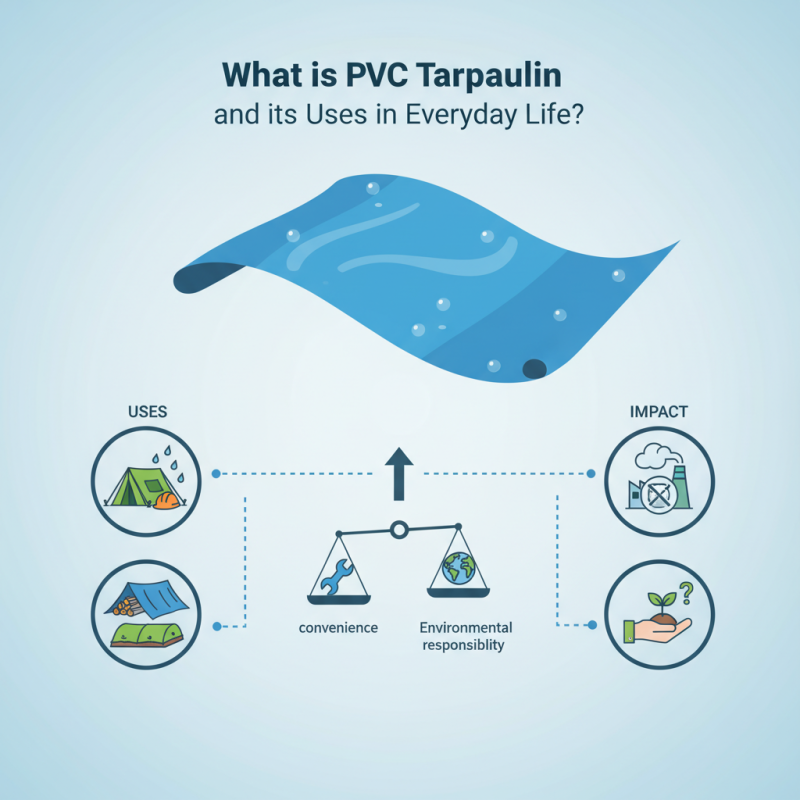
What is PVC Tarpaulin and its Uses in Everyday Life?
PVC Tarpaulin has become a staple in various industries and everyday life. This versatile material is known for its durability and waterproof properties. With a wide range of applications, PVC tarpaulin is commonly found in tents, covers, and awnings. Its lightweight yet robust nature makes it ideal for both commercial and personal use.
In the construction sector, PVC tarpaulin provides essential protection against the elements. It's frequently used to cover equipment and materials at job sites. PVC tarpaulin is also popular in outdoor events, ensuring that gatherings remain dry during unexpected rain. However, some may overlook the environmental impact of PVC production. The process is not without its flaws, raising concerns about sustainability and waste.
Homeowners can benefit from PVC tarpaulin as well. Using it for garden covers or trailer tarps can prolong the life of outdoor items. Still, the question remains: how do we balance convenience with environmental responsibility? Overall, PVC tarpaulin plays an integral role in everyday tasks, but it's crucial to reflect on its broader implications.
What is PVC Tarpaulin?
PVC tarpaulin is a versatile and durable material widely used in various applications. It is made from polyvinyl chloride, which gives it strength and resistance to weather conditions. This plastic is often reinforced with fibers, making it ideal for heavy-duty use. Its waterproof nature ensures that items stored under it remain dry, even in heavy rain.
People often use PVC tarpaulin for tents, covers, and outdoor furniture. In construction, it serves as a protective cover for materials. It can also function as a banner for advertising. In everyday life, you might find it in transportation, shielding goods during transit. The material is easy to clean and maintain, but it can also be heavy and cumbersome to handle.
While PVC tarpaulin is beneficial, there are some downsides to consider. It can be less breathable than other materials, leading to condensation issues. Additionally, it is not biodegradable, raising environmental concerns. Finding a balance between its practical uses and ecological impact is something many users face.
Composition and Properties of PVC Tarpaulin
PVC tarpaulin is a versatile material widely used in everyday life. The composition typically involves polyvinyl chloride (PVC) combined with additives that enhance its strength and flexibility. This mix makes the tarpaulin durable and resistant to water, UV rays, and various weather conditions. The thickness can vary, contributing to different uses, from lightweight covers to heavy-duty applications.
When using PVC tarpaulin, it is essential to consider its properties. Its waterproof nature makes it ideal for outdoor uses like tents, awnings, and truck covers. However, it can become brittle in extreme cold. Also, prolonged exposure to sunlight may lead to fading over time. Keep this in mind when choosing your tarpaulin.
Tips: Always inspect the tarpaulin before using it. Look for signs of wear or damage. Store it properly to prolong its life. Consider using it for temporary shelters when camping or working outdoors. A well-maintained tarp can serve you for many years.
Common Uses of PVC Tarpaulin in Daily Life
PVC tarpaulin is a versatile material widely used in various applications. Its durability and water resistance make it ideal for outdoor use. In everyday life, PVC tarpaulin serves multiple functions, from protecting equipment to providing shelter.
One common use is in camping. Many tents utilize PVC tarpaulin for their waterproof and UV-resistant properties. Research indicates that a significant percentage of campers prefer tarpaulin tents due to their lightweight yet sturdy nature. Although they are great for enhancing the outdoor experience, some users report difficulty in setting them up. Not all campers find them easy to handle, leading to frustrating moments.
Another everyday application is in agriculture. Farmers often use PVC tarpaulin to cover crops. It helps protect seedlings from harsh weather conditions. Studies show that tarpaulin covers can increase crop yield by up to 25%. However, some farmers struggle with the tarpaulin's weight during installation. It can be cumbersome, especially on windy days. Despite these challenges, the benefits of using PVC tarpaulin are evident in improved crop protection and better harvests.
What is PVC Tarpaulin and its Uses in Everyday Life? - Common Uses of PVC Tarpaulin in Daily Life
| Use Case | Description | Benefits |
| Outdoor Covers | Protection for vehicles, boats, and outdoor furniture. | Durable, weather-resistant, and UV-protected. |
| Tents and Canopies | Used in outdoor events and camping activities. | Easy to assemble, waterproof, and lightweight. |
| Billboards and Advertising Banners | Used for large format printing for advertisements. | High visibility, colorful prints, and long-lasting. |
| Industrial Applications | Liners for warehouses and industrial containers. | Chemical resistant and provides excellent protection. |
| Protective Sheets | Used for covering furniture during renovations. | Easy to clean and reusable. |
Advantages of Using PVC Tarpaulin
PVC tarpaulin is a versatile material used in many aspects of daily life. Its durability makes it an excellent choice for outdoor applications. People often use it to cover goods, protect equipment, and create temporary structures. The material is waterproof and resistant to UV rays, making it suitable for various weather conditions.
One major advantage of PVC tarpaulin is its strength. It can withstand heavy loads and harsh environments. This makes it ideal for transporting goods. Additionally, PVC tarpaulin is easy to clean, which is a big plus. Maintenance requires just soap and water. However, some may find it heavy to handle compared to lighter materials.
Cost-effectiveness is another important factor. PVC tarpaulins are relatively affordable compared to alternatives. They provide long-lasting solutions without needing frequent replacements. Despite some downsides, like limited breathability, the benefits outweigh them in many situations. This material has become a go-to choice for those in need of reliable covering solutions.
Care and Maintenance of PVC Tarpaulin Products
PVC tarpaulin is widely used due to its durability and affordability. However, proper care and maintenance are crucial for longevity. Neglecting these aspects can lead to premature wear and reduced functionality. Research indicates that tarpaulins can last up to five years, but this lifespan can decrease significantly without proper upkeep.
Cleaning is essential. Use a mild soap solution and a soft brush to remove dirt and stains. Rinse well with clean water. Avoid harsh chemicals, as they can damage the material. For stubborn stains, a mixture of vinegar and water may be effective. Regular inspections for signs of wear can prevent larger issues.
Storage is another vital aspect. Store the tarpaulin in a cool, dry place. Protect it from direct sunlight to prevent fading. Rolling it up instead of folding can also help maintain its shape and integrity. According to industry surveys, many users overlook storage, leading to unnecessary damage. Maintaining the PVC tarpaulin properly ensures it serves its purpose effectively and lasts longer.
PVC Tarpaulin Usage in Various Industries
This bar chart illustrates the various applications of PVC tarpaulin across different industries. The highest usage is in the construction sector, followed by agriculture and transport. Understanding these applications can help in the selection and maintenance of PVC tarpaulin products for various needs.