
How to Source Dinosaur Outdoor Decorations in 2026?
Sourcing dinosaur outdoor decorations in 2026 requires more than choosing the largest model in a supplier’s catalog. Buyers must balance visual impact, weather resistance, safety, shipping costs, and long-term maintenance. A three-meter Tyrannosaurus may attract attention at a family attraction, but its footprint, wind exposure, and installation requirements need careful evaluation. Size sells. Practicality matters more.
Experienced buyers should request material specifications, production photographs, coating details, and recent project references. Fiberglass, treated steel, and durable outdoor paints can perform differently under sunlight, rain, frost, and coastal air. Ask how joints are sealed and how internal frames are protected. Small details often decide whether a decoration remains impressive after one season. Product samples, color approvals, and written quality checks can reduce unpleasant surprises.
Do not rely only on polished marketplace images. Visit a showroom when possible, speak with the manufacturer’s technical team, and confirm packaging dimensions before placing an order. Independent inspection may be worthwhile for large or expensive installations. Check anchoring plans, electrical components, child-safe edges, and maintenance access with qualified professionals. Requirements vary by location, so local building, fire, electrical, and public-safety rules should be verified before installation. I have seen buyers focus heavily on appearance and underestimate storage or repair needs. That mistake is easy to repeat. A reliable sourcing process compares suppliers honestly, records every specification, and leaves room for seasonal changes, delivery delays, and imperfect assumptions. The best choice is not always the most dramatic dinosaur. It is the one that remains safe, stable, recognizable, and financially sensible outdoors.
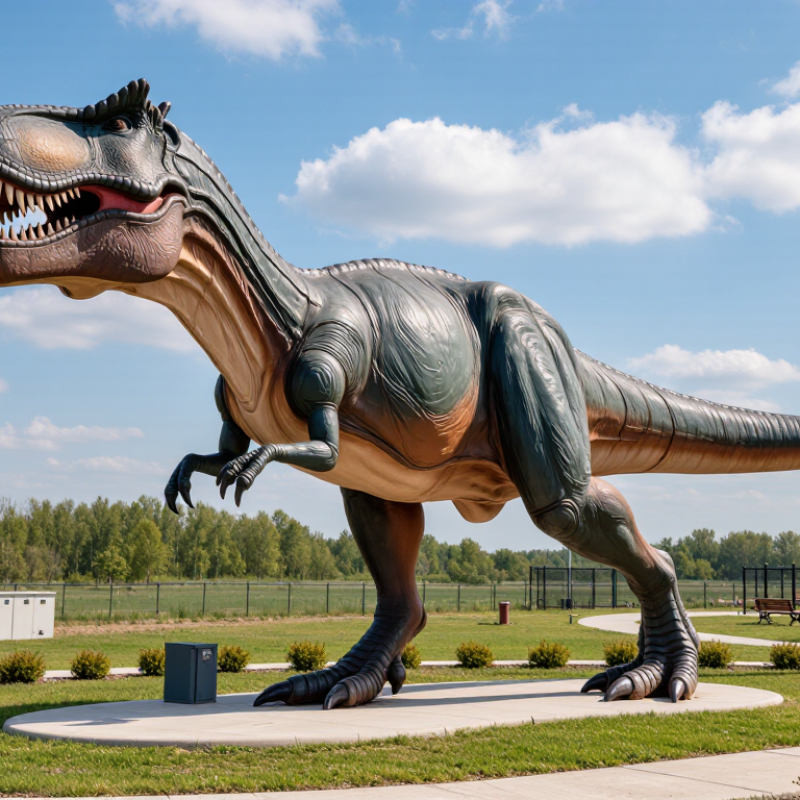
Table of Contents [Hide]
Define Project Goals, Display Settings, and Dinosaur Themes
How to Source Dinosaur Outdoor Decorations in 2026?
Define the project goals before contacting suppliers. Decide whether the display supports education, family entertainment, tourism, or seasonal events. Set a clear budget, installation date, visitor age range, and expected display duration. A forest trail needs different decorations than a shopping-center entrance. Measure paths, turning spaces, viewing angles, and nearby power access. I have found that unclear measurements often create expensive changes later. That mistake is easy to repeat.
Display settings should guide material choices. For outdoor use, request UV-resistant surfaces, sealed joints, corrosion-resistant frames, and stable ground anchors. Ask for wind-load information and maintenance instructions. Large dinosaurs need safe spacing from walkways and emergency routes. Check color samples in daylight, not only in digital images. Dinosaur themes can include realistic prehistoric scenes, friendly cartoon creatures, fossil discovery zones, or scientifically focused timelines. Keep the theme consistent. Mixed styles may look careless.
Tips: Request a physical sample or detailed prototype photos before ordering. Confirm dimensions, packing methods, delivery dates, replacement parts, and installation support in writing. Use simple signs with accurate species names and short facts. Avoid claiming uncertain discoveries as proven science. A small lighting test can reveal harsh shadows and hidden trip hazards. Review the layout with an installer and an educator. Their feedback may challenge your first plan, which is useful.
How to Source Dinosaur Outdoor Decorations in 2026? — Define Project Goals, Display Settings, and Dinosaur Themes
| Project Goal | Recommended Display Setting | Dinosaur Theme | Suggested Figure Scale and Dimensions | Outdoor Material and Safety Requirements | Quantity and Spacing Guide | Key Sourcing Criteria for 2026 |
|---|---|---|---|---|---|---|
| Residential garden focal point | Front garden, backyard, driveway, or private event entrance | Friendly herbivore or juvenile dinosaur scene | 1.2–2.0 m long; 0.8–1.5 m high; compact footprint for easy installation | UV-resistant fiberglass, coated steel frame, rounded edges, concealed anchors, and weather-resistant paint | 1–3 figures; keep at least 0.6 m of clear walking space around each figure | Low-maintenance finish, lightweight construction, simple ground anchoring, and delivery packaging suitable for residential access |
| Family attraction or park decoration | Public park, zoo-style pathway, amusement venue, or visitor center | Mixed prehistoric landscape with herbivores, carnivores, rocks, and plant props | 2.5–5.0 m long; 1.5–3.0 m high; use varied scales to create depth | Commercial-grade fiberglass or reinforced composite, anti-corrosion hardware, flame-retardant accessories where required, and stable foundations | 3–8 figures; allow approximately 2–4 m between major figures on a visitor route | High-impact sculpting, repairable components, documented load resistance, replaceable lighting, and inspection access |
| Educational outdoor exhibit | Museum garden, school campus, science center, or educational trail | Accurate species interpretation, life-cycle display, or geological time-period theme | 1.5–6.0 m long depending on species; include a readable scale marker beside each figure | Weather-resistant composite, corrosion-protected steel, tamper-resistant fasteners, non-toxic coatings, and accessible information panels | 4–10 figures; maintain approximately 1.2 m minimum accessible route width where visitors pass the display | Species labels, pronunciation guides, dimensions, fossil-era dates, maintenance instructions, and accessible signage space |
| Large entrance statement | Venue gate, resort entrance, shopping center, festival entrance, or themed event portal | Large Tyrannosaurus-style predator, sauropod, or two-dinosaur confrontation | 4–10 m long; 3–6 m high; confirm transport, crane, and installation access before ordering | Engineered internal frame, reinforced base plates, wind-load review, drainage points, UV-stable exterior coating, and professional anchoring | 1–2 hero figures; preserve a clear visitor passage and keep moving parts away from public reach | Structural drawings, installation method statement, modular shipping sections, lifting points, and documented wind and stability calculations |
| Nighttime illumination experience | Evening garden, winter light trail, night market, or seasonal outdoor attraction | Glowing dinosaur silhouettes, volcanic landscape, or bioluminescent prehistoric scene | 2–6 m long; 1.5–4 m high; select forms with enough surface area for even illumination | Outdoor-rated LED systems, sealed cable connections, low-voltage power supplies, waterproof connectors, and flame-resistant fabric if fabric is used | Use 2–5 m between illuminated pieces to reduce glare and preserve clear sightlines | Energy-efficient LEDs, replaceable drivers, timer compatibility, cable protection, electrical testing records, and safe maintenance access |
| Photo opportunity and social engagement | Event plaza, visitor center, retail courtyard, festival photo zone, or hotel garden | Open-mouth predator, egg nest, baby dinosaur, or interactive footprint trail | 2–4 m long; 1.5–3.5 m high; provide a dedicated person-sized interaction area | Rounded contact surfaces, anti-slip flooring, stable bases, tamper-resistant parts, and coatings that tolerate frequent touching | 1 hero figure plus 2–4 smaller props; keep at least 1.5 m in front of the main photo position | Camera-friendly orientation, accessible approach, queue space, easy-clean surfaces, and replaceable high-touch components |
| Seasonal holiday installation | Christmas market, Halloween trail, spring festival, or temporary public event | Dinosaur with seasonal accessories, fossil excavation, or prehistoric adventure theme | 1.5–4.0 m long; 1.0–3.0 m high; choose modular pieces for repeated annual use | Powder-coated steel or fiberglass, removable accessories, weatherproof fasteners, sealed joints, and storage-safe finishes | 5–20 small and medium pieces; group displays with approximately 1–2 m between visual focal points | Fast assembly, numbered components, reusable crates, compact off-season storage, spare hardware, and documented setup instructions |
| Naturalistic prehistoric landscape | Botanical garden, resort landscape, open-air attraction, or themed walking route | Sauropod herd, fern forest, volcanic terrain, or Cretaceous ecosystem | 3–12 m long for large herbivores; 2–7 m high; verify proportion against surrounding trees and structures | UV-stable composite, galvanized or stainless hardware, drainage-friendly bases, fade-resistant pigments, and foundations suited to local soil | 3–7 figures; use staggered placement and 4–10 m spacing for a more natural herd effect | Landscape integration, realistic textures, color samples approved on site, service paths, and long-term repainting provisions |
| Compact indoor-outdoor retail display | Storefront, café terrace, showroom entrance, or covered shopping area | Small raptor, fossil laboratory, dinosaur egg, or themed product display | 0.6–2.5 m long; 0.5–2.0 m high; confirm ceiling, doorway, and loading-bay clearances | Lightweight fiberglass, sealed plywood only where protected from rain, non-marking feet, and low-risk rounded details | 2–6 pieces; maintain approximately 0.9–1.2 m of customer circulation width | Compact packaging, quick repositioning, cleanable surfaces, low visual obstruction, and compatibility with existing lighting |
| Long-term public installation | Permanent civic space, public garden, educational campus, or transport-adjacent plaza | Signature dinosaur sculpture with durable interpretive signage | 3–8 m long; 2–5 m high; size should be confirmed through a site visibility and safety review | Engineered steel or composite structure, anti-graffiti coating, drainage, corrosion protection, certified anchors, and accessible maintenance points | 1–4 figures; establish a site-specific exclusion zone based on height, wind exposure, and public circulation | Warranty terms, spare-parts availability, inspection schedule, structural documentation, lifecycle cost, and local installation capability |
Planning note: Figure dimensions, spacing, anchoring, electrical work, accessibility, and wind resistance should be verified by the site owner and qualified local professionals. Final specifications depend on local codes, climate, soil conditions, visitor volume, and installation duration.