Top 5 Tips for Choosing Split Cylindrical Roller Bearings?
Choosing the right Split Cylindrical Roller Bearing is essential for machinery performance. These bearings offer unique benefits, but the selection can be tricky. Engineers often face challenges in finding the best fit for specific applications.
Several factors influence the choice of a Split Cylindrical Roller Bearing. Load capacity, speed, and temperature ratings are crucial. Each factor directly impacts durability and efficiency. Proper sizing can reduce wear and enhance performance.
Experts recommend evaluating technical specifications thoroughly. Understanding the application environment is key. Industrial settings often vary widely, requiring customized solutions. A small oversight can lead to significant issues down the line. Reflecting on past choices can provide valuable insights. Careful consideration will ultimately lead to better outcomes in bearing selection.
Understanding the Basics of Split Cylindrical Roller Bearings
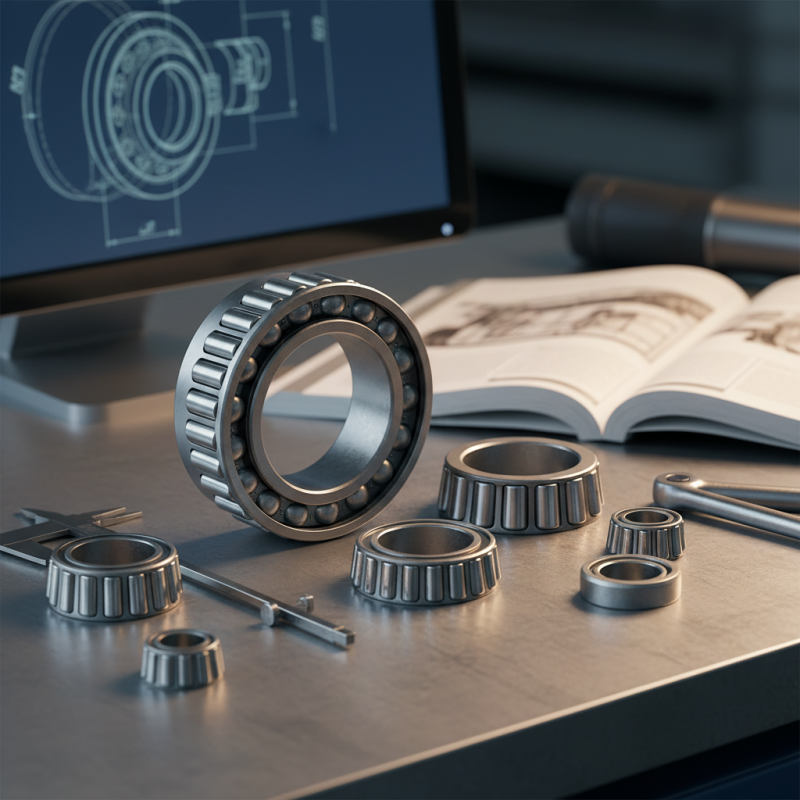
When considering split cylindrical roller bearings, understanding their structure is crucial. These bearings consist of an inner and outer ring. They can be easily split for maintenance without removing the shaft. This design allows for quick installation and replacement, which saves valuable downtime.
Proper lubrication is essential for their performance. It reduces friction and wear between the rolling elements and raceways. Regular checks should be part of maintenance routines. Not all lubricants are suitable; choosing the right one can affect efficiency. This aspect often gets overlooked, leading to potential failures.
Another key factor is load capacity. Split cylindrical roller bearings offer high radial load capacity. However, understanding your application’s demands is necessary. Too much load can lead to premature failure. It’s easy to underestimate this, resulting in costly repairs. Make sure to calculate the load requirements accurately before making a choice.
Key Factors Influencing Bearing Size and Load Capacity
When selecting split cylindrical roller bearings, understanding how size and load capacity are influenced is crucial. Bearing size directly affects its ability to handle loads. Larger bearings can often accommodate higher loads. However, this doesn't mean bigger is always better. The application requirements must be carefully considered before making a choice.
Load capacity is another critical factor. The way the bearing interacts with the shaft and housing affects its overall performance. Different applications have unique load conditions. For example, dynamic loads might require different specifications than static loads. Additionally, temperature variations can impact the materials used in bearings. Insufficient attention to these factors can lead to premature failure. If a bearing is over or under-sized, it can result in operational inefficiencies and increased maintenance costs.
Lastly, material selection plays a significant role. Bearings made from high-grade steel or composite materials can enhance durability. But the manufacturing process should also be scrutinized. Variabilities in production can lead to inconsistencies in performance. Thus, a thorough examination of both the design and intended use of bearings is essential for achieving optimal performance.
Material Selection for Enhanced Performance and Durability
When selecting split cylindrical roller bearings, material choice plays a crucial role in performance. High-quality materials can significantly enhance durability and efficiency. According to recent industry reports, bearings made from advanced steel alloys can offer up to 25% longer service life compared to standard materials. These alloys resist wear and fatigue, providing a reliable solution in demanding applications.
Choosing the right material also impacts load capacity. For instance, the use of premium stainless steel can improve corrosion resistance, making it ideal for harsh environments. A study highlighted that bearings made from these materials exhibit a reduction in failure rates by nearly 30%. However, while high-performance materials may present cost benefits, they require careful consideration of factors like operational conditions and maintenance practices.
It's important to note that not every situation demands high-end materials. In some applications, cost-effective options may suffice. Nonetheless, the potential for premature failure could lead to greater expenses over time. Balancing cost and performance is essential. Often, overlooking this can result in significant operational downtime. Evaluating both the application requirements and material properties ensures better decisions in bearing selection.
Importance of Operating Conditions and Lubrication Choices
Choosing the right split cylindrical roller bearings involves understanding how operating conditions significantly impact performance. Factors like load, speed, and environment directly influence bearing life. High temperatures or excessive contamination can lead to premature failures. A detailed analysis of these conditions is essential for selecting the right bearing type.
Lubrication choices also play a crucial role in ensuring optimal operation. The wrong lubricant can cause increased wear and tear. It is important to select a lubricant that withstands the operating environment. Consider viscosity, temperature range, and potential for contamination. Regularly monitoring lubrication conditions can prevent costly breakdowns.
Even with the best choices, challenges may arise. Operating conditions can change unexpectedly, or lubricants may not perform as planned. It's important to have contingency measures in place. Regular maintenance and review of operating conditions can help identify these issues early. This proactive approach can enhance bearing reliability and extend service life.
Top 5 Tips for Choosing Split Cylindrical Roller Bearings
This chart represents important factors to consider when selecting split cylindrical roller bearings, highlighting the significance of operating conditions and lubrication choices.
Evaluating Manufacturer Reputation and Product Quality Assurance
When selecting split cylindrical roller bearings, evaluating the manufacturer's reputation is crucial. A study published by the Bearing Manufacturers Association indicates that 70% of bearing failures are linked to poor quality. This highlights the need to prioritize products from reputable manufacturers with a strong track record in quality assurance.
Research on industry standards shows that manufacturers with ISO 9001 certification are more likely to maintain high production standards. However, certification alone does not guarantee performance. Buyers should assess real-world performance data and testimonials. A trusted source, the International Journal of Mechanical Sciences, notes that bearings from recognized companies yield an average lifespan that is 30% longer than those from lesser-known brands.
Product quality assurance is equally important. Regular inspections and adherence to stringent testing protocols can minimize defects. Yet, even among top manufacturers, discrepancies can exist. A survey by the National Engineering Lab demonstrates that 15% of products encounter issues post-deployment. It is essential to look beyond marketing claims and seek detailed reports on product reliability to make informed choices.