
Top PC200-7 PC300-8 Excavator Suppliers?
Choosing among the top PC200-7/PC300-8 excavator suppliers requires more than comparing online prices. These machines often work in dusty quarries, wet construction sites, and remote earthmoving projects. A reliable supplier should understand Komatsu specifications, production years, hydraulic systems, engine condition, and regional parts availability. Clean photographs are useful, but they cannot replace inspection records, oil-analysis reports, and a verified serial number.
Daniel Harper, an independent heavy-equipment procurement consultant with 18 years of fleet experience, says, “A supplier proves value after delivery, not during the sales conversation.” That point deserves attention. Some sellers provide attractive quotations but unclear refurbishment histories. Others offer older components with limited testing. Buyers should ask about pump pressure, undercarriage wear, travel motors, monitor faults, and previous operating hours. Small details matter. A worn sprocket can quickly become an expensive delay.
This guide examines suppliers using practical standards: machine authenticity, technical knowledge, inspection transparency, replacement-part support, shipping capability, and after-sales communication. It also considers whether a supplier can match a PC200-7/PC300-8 excavator to the buyer’s actual workload. A mining contractor may need stronger cooling performance and fast component support. A small building company may value lower operating cost and simple maintenance.
There is no perfect supplier. Even experienced buyers can overlook hidden hydraulic damage or inaccurate hour meters. That weakness should be admitted, not disguised. The strongest companies welcome independent inspections, provide consistent documentation, and explain risks before payment. That is where trust begins.
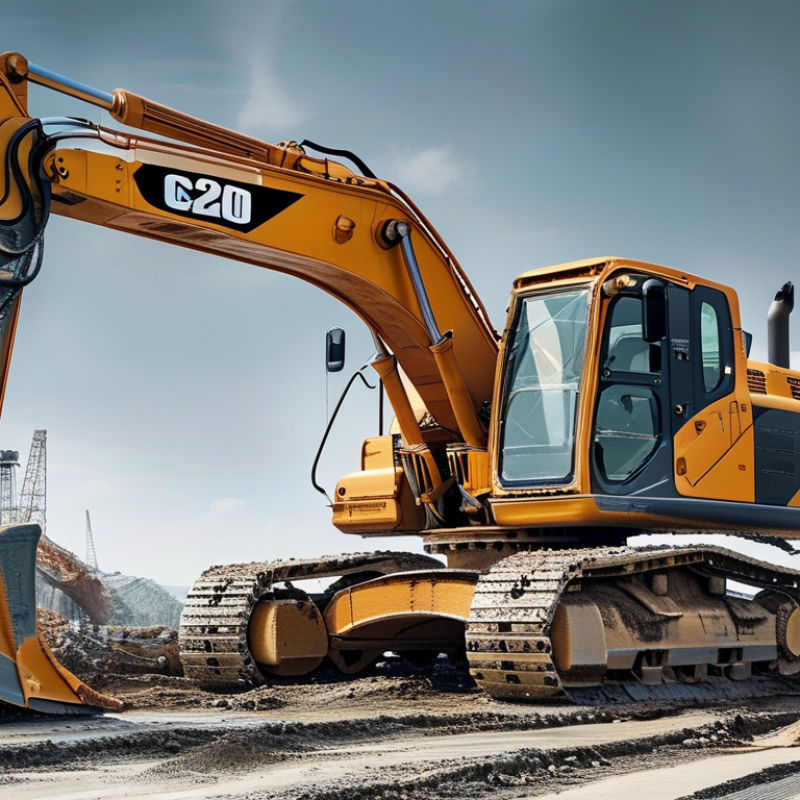
Understanding PC200-7 and PC300-8 Excavator Specifications
Choosing between PC200-7 and PC300-8 excavators requires more than comparing model numbers. Typical published specifications place the PC200-7 near 20 tonnes, with about 110 kW of engine power. The PC300-8 usually approaches 30 tonnes and delivers roughly 180 kW. Bucket capacity often ranges from 0.8 to 1.0 cubic metres for the smaller class, and 1.4 to 1.6 cubic metres for the larger class. Actual figures vary with attachments, counterweights, and regional configurations.
ISO 6016:2019 defines how earth-moving machinery mass should be measured. This matters because advertised operating weight may include fluids, standard equipment, or an operator. Check the exact measurement basis. KHL’s Yellow Table 2024 also shows strong concentration among major construction-equipment suppliers, but revenue ranking does not prove field suitability. A reliable supplier should provide serial-specific service records, hydraulic test results, undercarriage measurements, and documented working hours. In muddy ground, I have seen a lighter machine outperform a larger one because transport limits and soil pressure were ignored. On paper, the choice looks simple.
Tips: Compare hydraulic flow, not horsepower alone. Confirm boom reach against your trench depth. Inspect the swing bearing for play. Ask for cold-start videos. Leave room for doubt; seller claims can be incomplete.

Key Factors for Evaluating Excavator Suppliers
Top PC200-7 PC300-8 Excavator Suppliers?
Choosing a supplier for PC200-7 or PC300-8 excavators requires more than comparing prices. Check the supplier’s operating history, workshop capacity, and export experience. Ask for machine serial records, maintenance reports, and recent inspection photographs. A reliable supplier should explain the excavator’s working hours honestly. Look closely at the boom joints, hydraulic hoses, undercarriage, and engine cold-start video. Small leaks often reveal poor maintenance.
Service support matters after delivery. Confirm the availability of filters, seals, pumps, and other commonly replaced parts. Request a written warranty with clear coverage, response times, and exclusions. A professional supplier should provide technical documents and help with troubleshooting. Speak with previous customers, especially contractors using similar machines in dusty or high-temperature conditions. Their feedback can expose delays that sales promises hide.
Do not trust polished photos alone.
Compare inspection details from several suppliers. Independent testing can verify hydraulic pressure, fuel consumption, and travel performance. Payment terms, loading procedures, and delivery schedules should appear in formal documents. Some suppliers offer low prices but provide weak after-sales support. That trade-off may become expensive on a remote jobsite. I have found that even careful evaluations can miss hidden frame damage or inconsistent service records. This is why a second inspection is worth the extra time. Reliable judgment comes from evidence, not confidence.
Top PC200-7 PC300-8 Excavator Suppliers? – Key Factors for Evaluating Excavator Suppliers
The chart presents a practical baseline weighting for comparing suppliers of 200-class and 300-class excavators. Higher weighting indicates greater influence on long-term operating value, availability, and procurement risk.
How to use it: Score each supplier from 1 to 5 for every factor, multiply the score by the corresponding weight, and compare the total result. Parts availability, total cost of ownership, and service capability should receive particular attention for frequently used excavators.
Step-by-Step Process for Finding Reliable Suppliers
Top PC200-7 PC300-8 Excavator Suppliers?
Finding a reliable supplier starts with a clear machine checklist. Record the required model, working hours, operating weight, attachments, and delivery destination. A supplier should provide detailed photos, a cold-start video, maintenance records, and the machine’s identification plate. Ask when major components were serviced. Do not accept vague answers. Keep evidence.
Compare at least three suppliers using the same questions. Check their business registration, export experience, warehouse address, and customer references. A polished website is not proof of reliability. Request a live video inspection if visiting is impossible. Watch the engine start, hydraulic movements, track condition, and visible leaks. Small details matter. I would also ask for an independent inspection before payment, especially for an older PC200-7 or PC300-8 excavator.
Review the quotation line by line. Confirm machine price, inspection cost, inland transport, shipping terms, spare parts, and warranty coverage. Ask who pays if the delivered machine differs from the inspection report. Written answers are essential. A low price can hide worn pumps, damaged undercarriages, or missing documents. That gap matters. Speak with the technician, not only the salesperson. Their answers often reveal how support works after delivery. Keep a comparison sheet, because memory becomes unreliable during busy negotiations. One weakness remains: remote inspection cannot reveal every internal defect, so the budget should include a realistic repair allowance.
Comparing Supplier Pricing, Parts, Warranty, and Support
When comparing PC200-7 and PC300-8 excavator suppliers, price should not be your only measure. A low quote may exclude shipping, filters, seals, or installation support. Ask for a detailed invoice with machine hours, component condition, and included parts. Experienced buyers also compare fuel system checks, hydraulic test records, and undercarriage measurements. These details reveal the machine’s real value more clearly than a polished sales photo.
Parts availability can decide whether a repair takes one day or three weeks. Reliable suppliers should identify original, aftermarket, or refurbished parts clearly. Request part numbers, stock locations, and expected delivery dates. A practical warranty should state coverage periods, exclusions, labor responsibilities, and claim procedures. Support matters after delivery, too. Test the supplier before purchasing by asking technical questions. Clear answers show stronger product knowledge. Vague promises create risk.
Tips: Compare total ownership cost, not the purchase price. Ask for two references from similar excavator users. Check whether technicians can provide remote troubleshooting or on-site service. Keep every inspection report and warranty message. I once focused too heavily on a discounted offer and overlooked transport delays. That mistake increased downtime. No supplier is perfect, so judge how honestly they explain limitations. A dependable partner admits uncertainty and documents the next step.
How to Verify Supplier Quality and Purchase Safely
Choosing a reliable excavator supplier requires more than comparing prices. The 2024 Yellow Table report recorded over one million construction machines sold worldwide. That scale creates room for both professional dealers and careless traders. I have seen clean paint hide worn pins, leaking cylinders, and mismatched hour meters. Request the serial number, ownership history, maintenance invoices, and recent operating videos. Ask for cold-start footage. A warm engine can hide smoke and poor compression.
Check the supplier’s legal registration, physical address, export experience, and warranty terms. ISO’s 2023 Survey reported more than one million ISO 9001 certificates globally, but certification alone proves little about a machine. Confirm whether the certificate covers the selling company and its actual quality process. An independent inspection should measure hydraulic pressure, undercarriage wear, oil contamination, and control response. Compare the inspection report with the machine’s photos. Small differences deserve questions.
Tips: Use a written purchase contract. List the exact model, serial number, attachments, condition, delivery terms, and inspection rights. Verify bank details through a second communication channel. Avoid pressure to pay quickly. Keep 10–20% of the balance until documents and equipment match, where contractually permitted. I would also budget for unknown repairs. Even a trusted inspection can miss internal damage. That uncomfortable possibility should shape the final price.
Top PC200-7 PC300-8 Excavator Suppliers? - How to Verify Supplier Quality and Purchase Safely
Practical supplier-screening criteria for purchasing used or refurbished excavators without relying on company names or brand rankings.
| Verification Dimension | What to Check | Acceptable Evidence | Recommended Buyer Action | Risk if Missing |
|---|---|---|---|---|
| Supplier Legal Identity | Confirm the supplier is a legally registered business with a verifiable trading address. | Business registration certificate, tax identification details, company-domain email, matching name on quotation and bank documents. | Check the registration through the relevant government or official business registry. Ensure all documents show the same legal entity. | High |
| Operating History | Review the supplier’s experience with used construction equipment and international shipments. | Documented sales history, export records, service records, customer references, and dated equipment listings. | Request at least two recent customer references in a similar destination market and verify them independently. | Medium |
| Machine Identification | Verify the excavator’s model designation, serial number, production information, and ownership history. | Clear photographs of the identification plate, stamped serial number, import documents, ownership records, and auction documents where applicable. | Compare every identifier across the machine, quotation, inspection report, export documents, and sales contract. | High |
| Actual Machine Condition | Assess the structure, engine, hydraulic system, undercarriage, electrical system, cab, and attachments. | Dated photographs, cold-start video, operating video, fluid-leak inspection, fault-code scan, and written condition report. | Require an independent pre-shipment inspection instead of relying only on supplier photographs or descriptions. | High |
| Operating-Hour Verification | Check whether the displayed operating hours are consistent with machine wear and maintenance history. | Hour-meter photograph, controller data where available, service invoices, maintenance logs, pedal and seat wear photographs. | Treat the hour meter as unverified unless supported by independent records. Record any discrepancy in the contract. | High |
| Hydraulic System | Inspect pump performance, cylinder drift, hose condition, valve response, and abnormal noise. | Pressure-test results, multi-function operating video, leakage report, hydraulic oil analysis, and repair history. | Use a qualified technician to test the machine under operating temperature and loaded conditions. | High |
| Engine and Cooling System | Check cold starting, exhaust smoke, blow-by, overheating, oil pressure, coolant condition, and radiator blockage. | Cold-start video, service report, coolant and oil photographs, temperature readings, and load-test results. | Do not accept only an engine idling video. Request a cold start and operating test after the machine has been unused for several hours. | High |
| Undercarriage Wear | Measure track shoe, link, roller, idler, sprocket, and track-frame condition. | Wear measurements in millimetres or percentages, close-up photographs, and replacement-cost estimate. | Compare the measurements with the manufacturer’s service limits or an independent technician’s assessment before calculating the final price. | Medium |
| Inspection Independence | Ensure the inspection is performed by a party that is not financially controlled by the seller. | Inspection company credentials, inspector identity, dated report, test checklist, photographs, and signed findings. | Use a recognized local inspection provider, authorized surveyor, or qualified mechanic located near the machine. | High |
| Parts and Service Support | Confirm that filters, seals, hoses, hydraulic components, wear parts, and technical support are available in the destination market. | Parts catalogue, lead times, service contact, recommended maintenance schedule, and written parts quotation. | Calculate the first twelve months of expected maintenance and verify whether commonly needed parts can be imported legally. | Medium |
| Export and Import Compliance | Check whether the machine can legally leave the exporting country and enter the buyer’s country. | Export declaration, commercial invoice, packing list, certificate of origin where required, customs classification, and applicable emissions or safety documents. | Confirm requirements with the destination-country customs authority or a licensed customs broker before making payment. | High |
| Quotation Transparency | Review whether the price clearly separates the machine, attachments, inspection, inland transport, ocean freight, insurance, and destination charges. | Itemized quotation with currency, validity period, Incoterms® rule, port details, and excluded costs. | Compare quotations using the same delivery term, destination port, machine condition, attachments, and inspection scope. | Medium |
| Payment Protection | Assess whether the payment method provides meaningful protection against non-delivery or misrepresentation. | Escrow arrangement, documentary letter of credit, protected payment platform, or staged payment linked to inspection and shipping documents. | Avoid sending the full amount to an unrelated personal account. Keep the beneficiary name consistent with the contracted legal entity. | High |
| Contract Controls | Define the exact machine condition, included equipment, delivery obligations, inspection rights, and remedies. | Signed sales contract containing serial number, condition standard, disclosure of defects, delivery term, payment schedule, and dispute-resolution clause. | Make the independent inspection report and agreed photographs contractual annexes. Do not rely on verbal promises. | High |
| Shipping Documentation | Confirm that the shipping documents match the actual machine and contracted buyer. | Bill of lading, commercial invoice, packing list, inspection certificate, export declaration, and insurance certificate where purchased. | Check model, serial number, consignee, container or booking details, and shipment dates before releasing any final payment. | Medium |
| Red-Flag Screening | Identify pressure tactics, unusually low prices, inconsistent documents, refusal of inspection, and requests for urgent payment. | Written communication history, consistent banking details, verifiable warehouse address, and willingness to accept reasonable inspection terms. | Pause the transaction when evidence conflicts. Obtain a second inspection or cancel rather than increasing payment to recover sunk costs. | High |
| Final Purchase Decision | Evaluate the total landed cost and operational risk rather than the advertised purchase price alone. | Purchase price, repair allowance, freight, insurance, customs duties, taxes, port charges, inland delivery, and first-year maintenance budget. | Proceed only when identity, condition, documents, payment protection, and landed cost have all been independently verified. | Low when completed |
Practical rule: A supplier should not be selected solely because of a low price, attractive photographs, or a high online rating. The safest purchase combines independent inspection, consistent machine identification, a written contract, verified shipping documents, and a protected payment structure.

